Karina's stage moments this week prove some people don't need much to look like CGI—just lines that know how to sit right
aespa's Karina has been having one of those weeks where every single stage outfit, no matter what the concept, just serves. Casual, schoolgirl, comedy—she's hitting everything and fans are convinced something isn't rendering correctly.
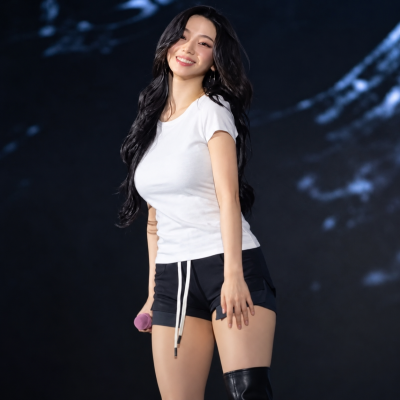
- White tee and black shorts: proof that presence matters more than outfit complexity
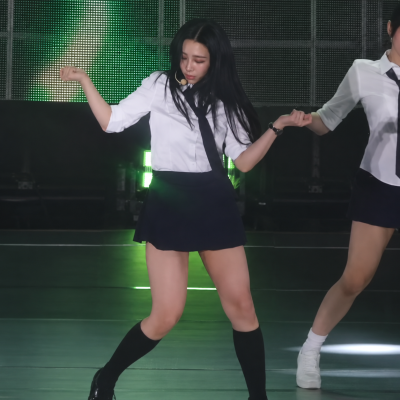
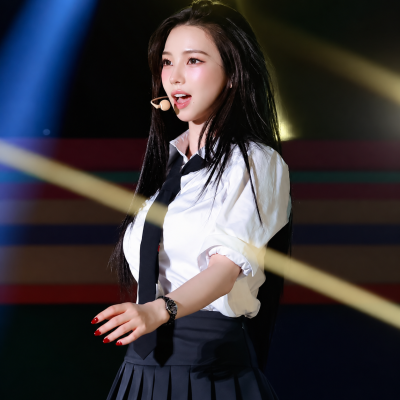
- School uniform concept across multiple performances showing how she reinterprets the same outfit
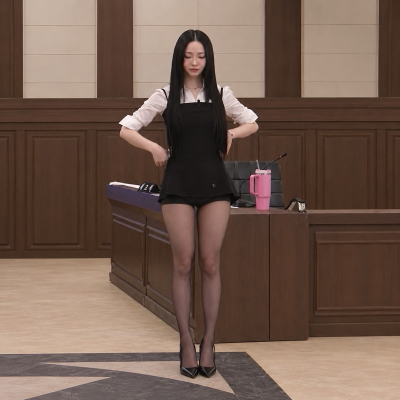
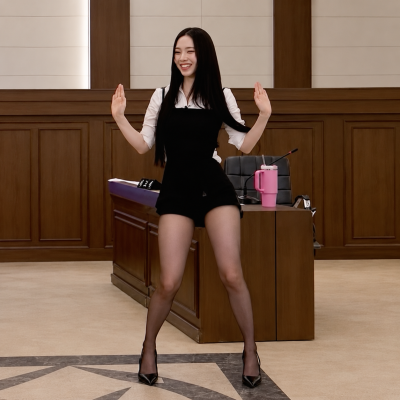
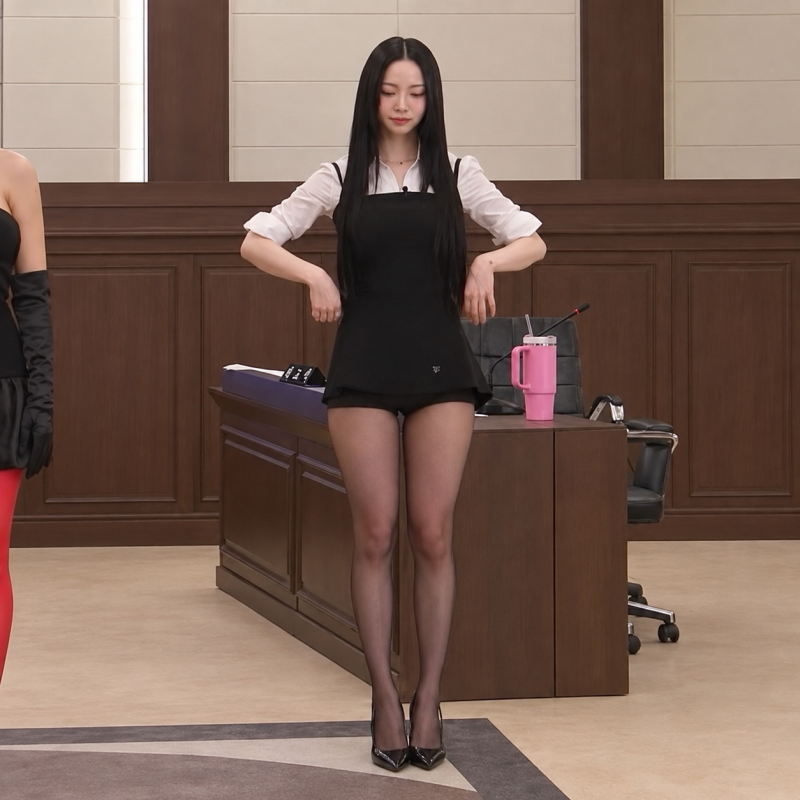
- Suspender dress variety show moment where she makes comedy look effortlessly elegant
Okay, so Karina's been having that particular era where it doesn't actually matter what she's wearing because the way she's carrying herself just makes everything land different. We saw her across multiple stages doing three wildly different concepts, and somehow the internet's primary response was to question if she's a real person or an advanced render at this point.
Let's go through the looks and understand why people are that pressed.
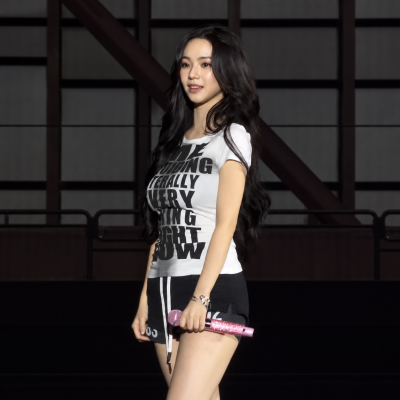
First up: maximum minimalism. White t-shirt, black shorts, and genuinely that's it. The thing that's broken people's brains is how the proportions just work. A simple t-shirt should read as just a t-shirt, right? Except when you've got someone with her specific measurements wearing it, suddenly everyone's in the comments saying things like is that CGI though? The comments aren't wrong—there's something almost too-perfect about how her lines show through the most basic silhouette possible. This isn't about the clothes at all; it's about what she's doing to the space the clothes are occupying. It read viral not because it was complicated, but because it was honest about what happens when fashion stops mattering and presence takes over.
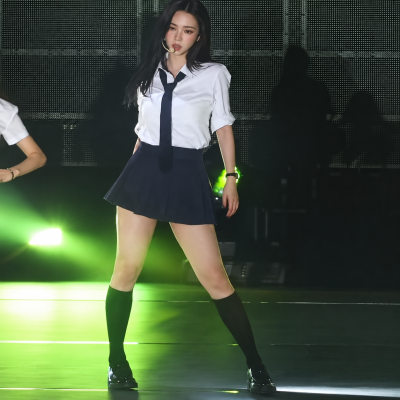
Then we move into the school uniform concept, and here's where styling gets its moment. White shirt, black tie (classic detail), navy pleated skirt, knee socks completing the image. This is a look that gets reused across multiple stage performances, which actually makes it more interesting because you can see the same outfit interpreted differently each time. The expression changes. The energy shifts. On one stage she's commanding the room; on another she's got this almost playful energy happening. Same outfit, completely different performances happening underneath it. The freshness factor comes from seeing how she moves inside these constraints, not from the outfit itself.
Then there's the variety show moment that made people genuinely laugh out loud. White blouse under a black suspender dress (and yes, the silhouette is distinctly nineties) set against what looks like a courtroom aesthetic. She's doing comedy choreography here, which is a whole different skill set. The suspender dress making her proportions look even longer than they already are, and her committing completely to these goofy movements while somehow still maintaining that line quality—that's the contradiction that made people rewatch. You're not supposed to look that good while doing comedy, and yet.
The common thread through all three? Her legs just kind of read the same way in every context. Like, there's something about how light hits them, or the way they move, or the actual proportion, that just stays consistent and slightly unreal across all the different stages and different styling contexts. Maybe it's genetics. Maybe it's that she's been dancing her whole life. Maybe it's that she's just spent enough time thinking about how her body exists in space that she knows exactly what works.
The posts online were basically: is she human? Why are her proportions like that? Can other idols do this? And honestly, based on what we're seeing, it's not that other idols can't—it's that commitment to consistency across this many different contexts is apparently a Karina specialty.
All of this is happening while aespa's running their world tour, so these aren't one-off moments; this is her operating at performance-load multiple times a week and somehow the lines just keep working.
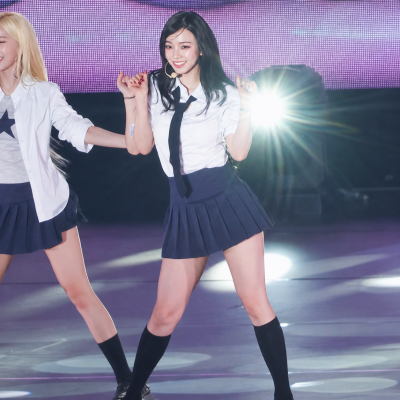
"Same outfit, completely different performances happening underneath it. The freshness factor comes from seeing how she moves inside these constraints, not from the outfit itself."