The Five-Year Comeback: How Choi Kanghee Is Making Vertical Lines Her Secret Weapon
An actress who spent years playing high schoolers reveals how one styling principle can reframe an entire silhouette
- Choi Kanghee extends vertical lines by pairing long toppers with high-waisted bottoms
- She uses collar details and textured fabrics to draw attention upward toward the face
- Minimal accessories allow her structured pieces to do all the emotional work
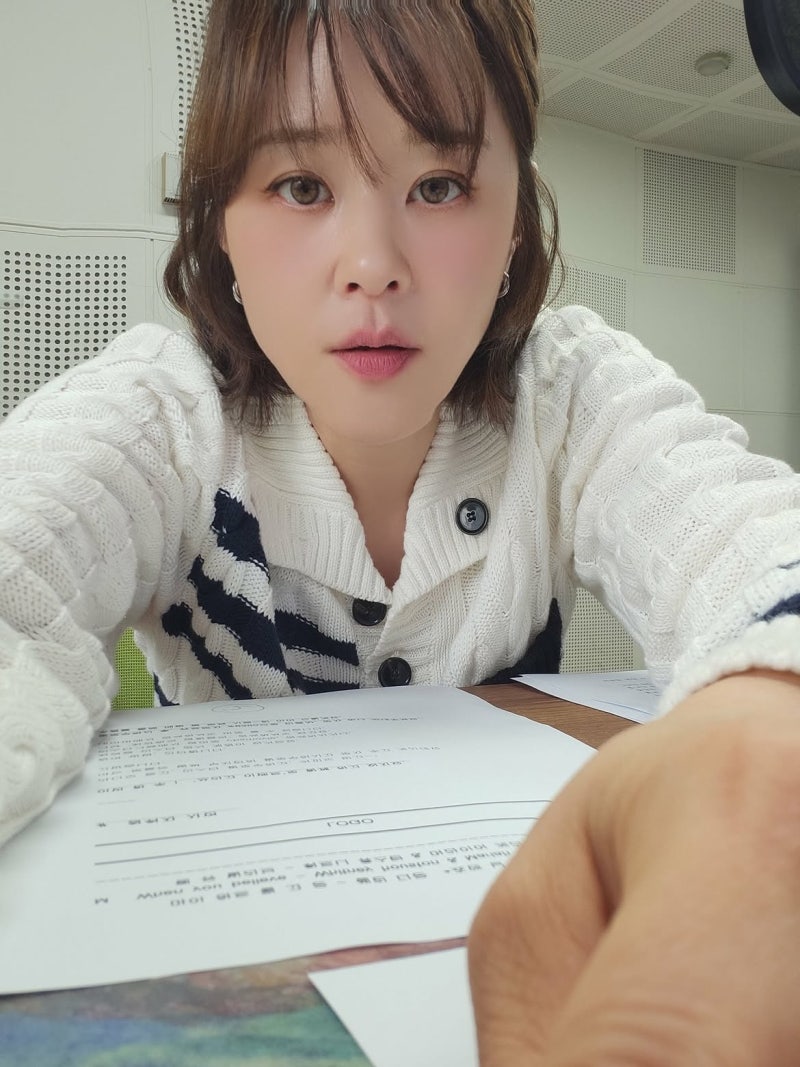
Here's the thing about being typecast early in your career: if you're young-looking enough, the industry will keep you there until you break the spell. Choi Kanghee spent a significant portion of the 1990s and early 2000s as the girl who looked like a high schooler even when she was supposed to be older. There was that one film everyone quotes about the ghost in the school building—the scene that keeps getting passed around two decades later—and a string of youth dramas where she was perfect because she actually could look the part. Then came the bigger roles that required her to be an adult. Eventually, she stepped back. And now, five years later, she's coming back with a theater piece, and the question everyone's asking is: what did she learn?
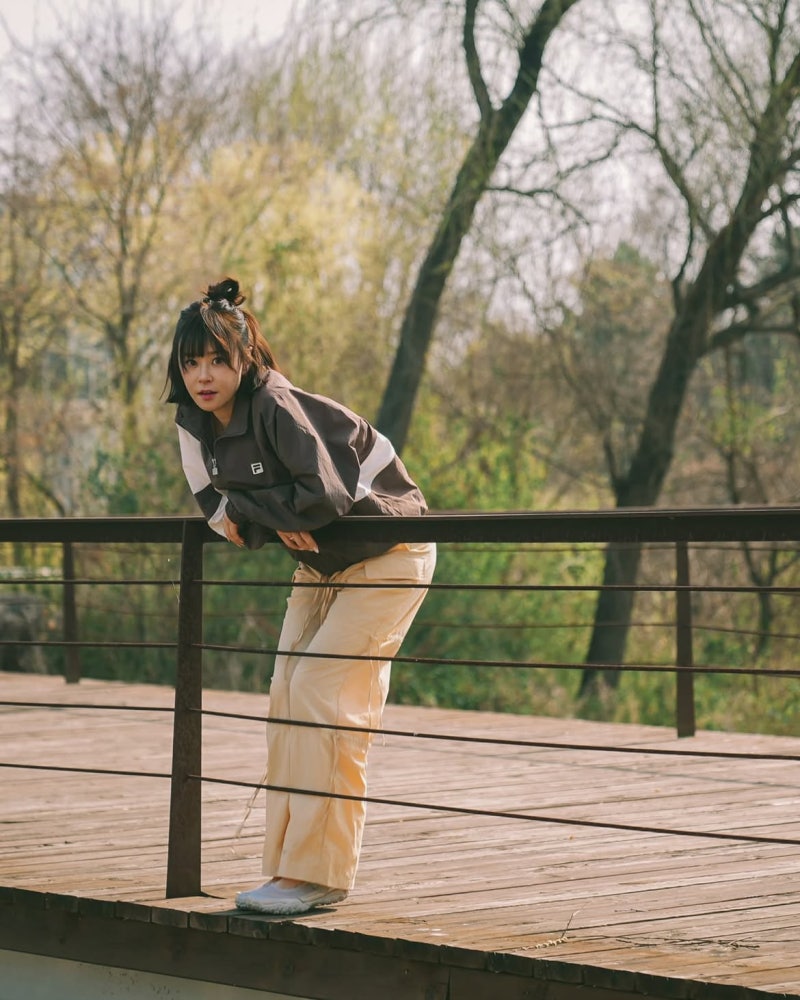
The answer might just be in how she's dressing.
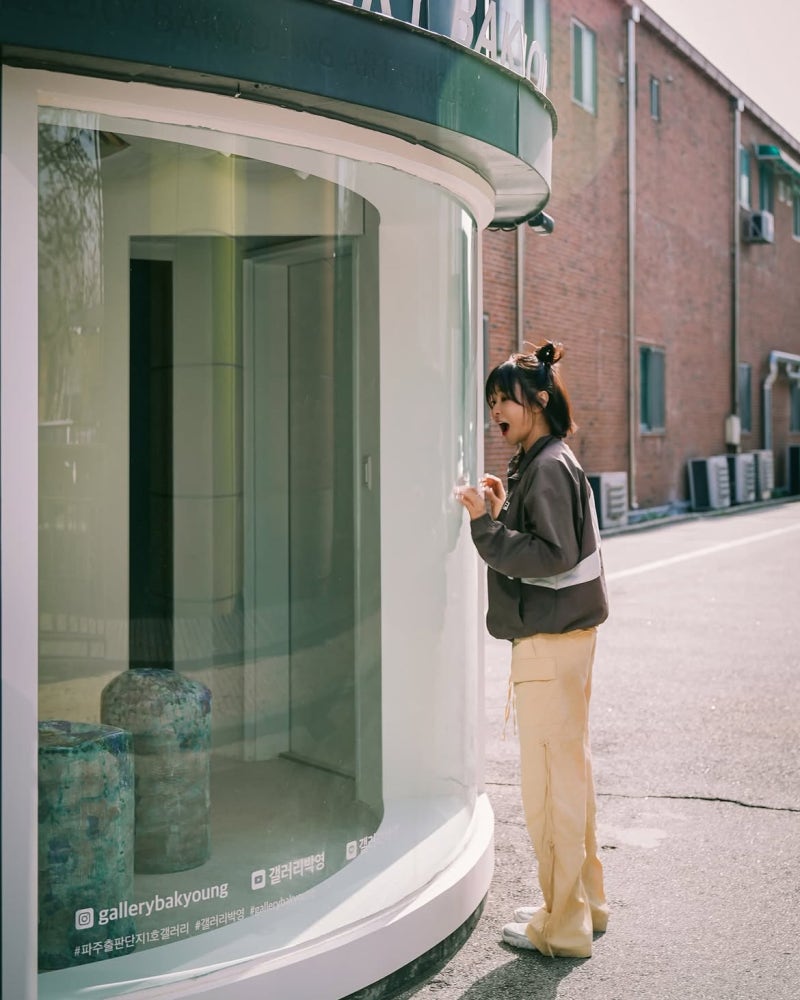
First look is FILA windbreaker energy meets weekend careworn ease. The gray-toned FILA jacket with the visible logo—the kind of thing you'd pull from the gym bag because it's functional and comfortable—gets paired with beige cargo pants. The jacket hits just below the hip. The cargo pants drop from a fitted waistband and skim the body. When your top is structured and your bottom is relaxed, you create this visual line that doesn't break; it continues. The effect is legs that look longer, not because they actually are, but because you haven't interrupted the sightline. Add an up-do and some front pieces framing the face, and suddenly the proportions read differently. It's not that she's dressed down; she's dressed smart. This is what low-effort weekend dressing actually looks like when you know what you're doing.
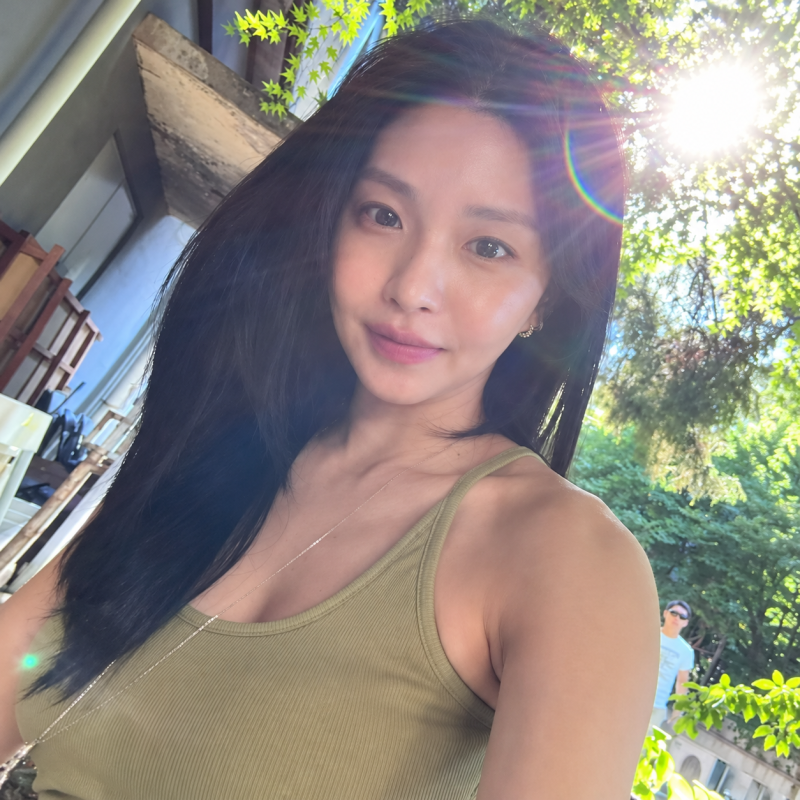
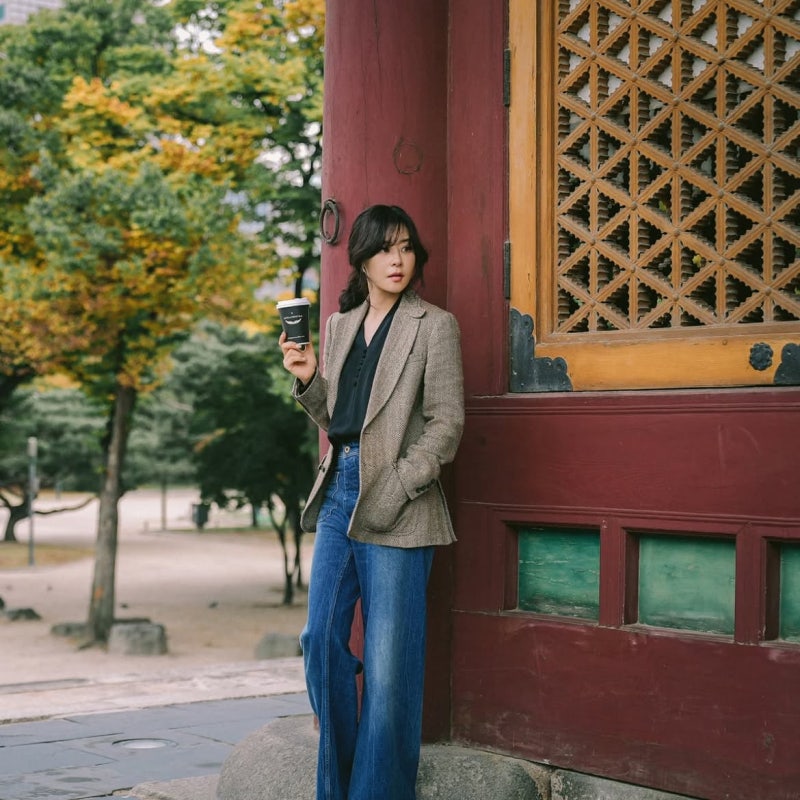
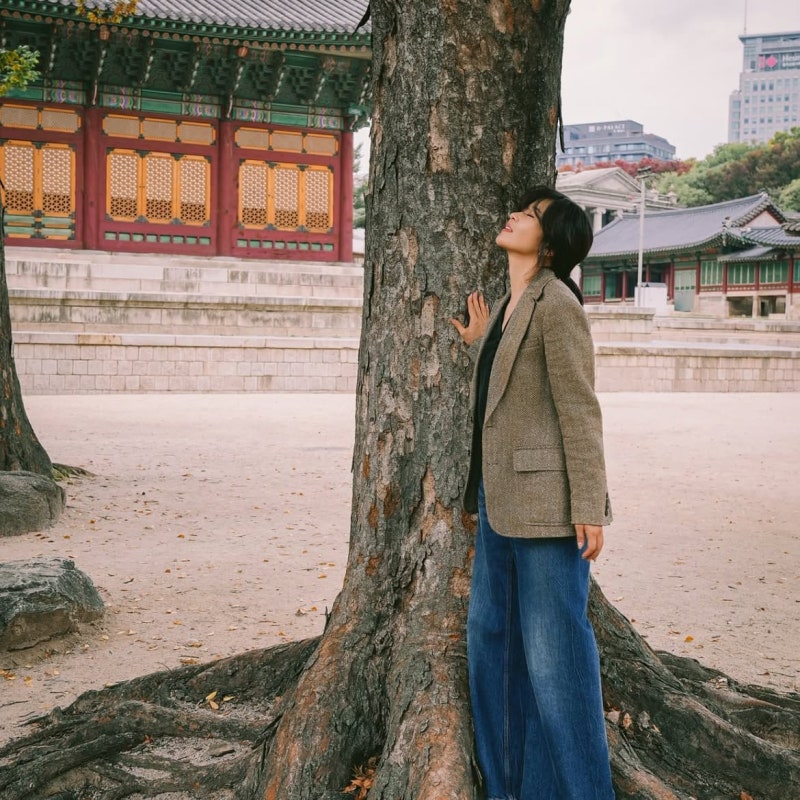
Second look shifts into more deliberate territory. A brown herringbone tweed jacket—textured, classic, the kind of thing that reads expensive without trying—over black underneath. Wide-leg denim as the bottom. The jacket lapel is oversized and angular, which creates these lines that naturally point toward the face. The denim, despite being full and casual, starts from a high waistband, so the proportion is still elongated. Stand in front of Deoksugung Palace and the whole thing reads like you stepped out of a mood board. Tweed with casual denim is actually a strategic choice that says 'I understand how to mix formality and ease,' not 'I'm confused about occasions.' This is semi-tailored dressing—all the structure of formality, none of the stiffness.
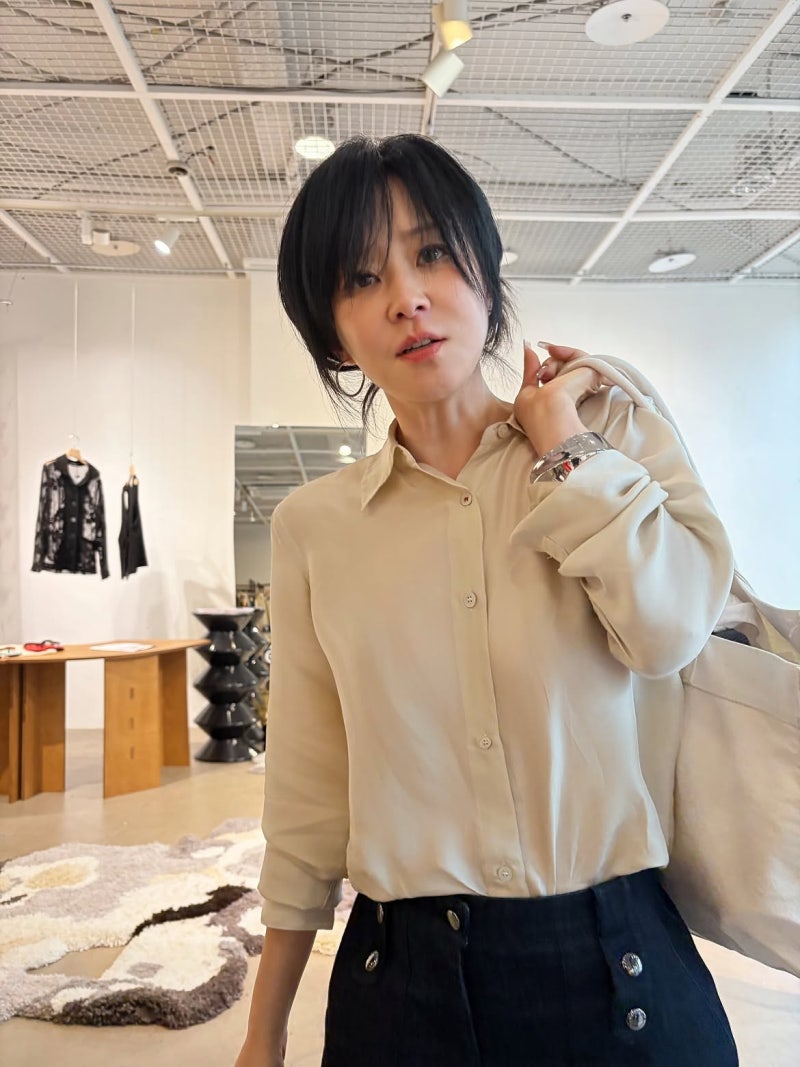
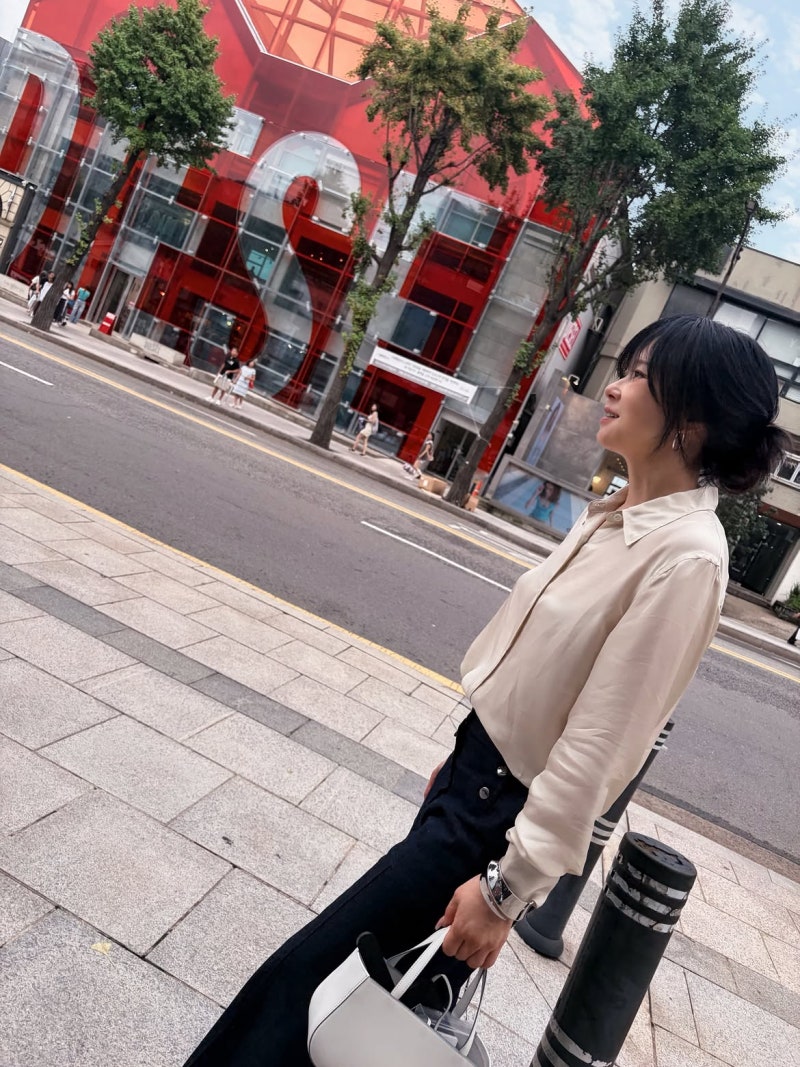
Third look happens in two versions: white satin shirt with navy button-front skirt, and then the same shirt with dark wide pants. The shirt material has sheen, so even against darker pieces, it reads bright and brings light up toward the face. The collar is full and structured, meaning it frames the jawline. Multiple wears of the same piece prove she's not accident-dressing; she's rotating intentionally. A single silver bangle as the only accessory keeps it refined. The satin finish and the collar structure do enough work that adding more noise would be counterproductive. Stand long enough and sit in these outfits, and the whole philosophy clarifies itself.
Here's what Choi Kanghee figured out during her five years away: the camera and the eye don't always care about your actual proportions. They care about visual proportion. Keep your vertical line uninterrupted—whether that's through long toppers over high-waisted bottoms, long blazer lines, or allowing enough space between the jacket hem and the pants waistband that the leg looks like it's starting earlier than it actually is. That was the survival strategy when she was being cast as younger; now it's just her language. Collar details point light and attention toward the face. Texture in neutral tones gives you complexity without requiring color. One good accessory beats seventeen scattered ones. For anyone trying to reset their personal style after time away—whether that's five years or five months—this is the template: master one thing (in her case, vertical proportion), and everything else becomes easier to solve.
"When your top is structured and your bottom is relaxed, you create this visual line that doesn't break; it continues."