After Cancer: Um Jung-hwa's Return to the Red Carpet and Why It Matters
The Korean Madonna cried after her first formal event post-surgery. Here's how she rebuilt her style—and what her outfits teach us about resilience.
- Stack rings on both hands when your outfit is minimal—let your hands tell the story
- Don't make simple boring; make it precise and intentional instead
- Asymmetrical tailoring + no accessories = architectural presence
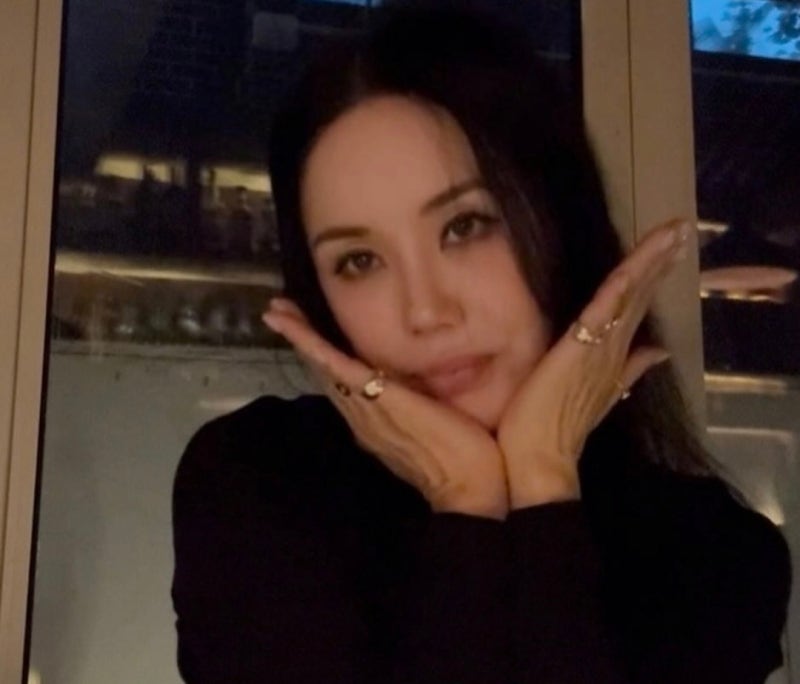
There are few people in Korean entertainment whose names are literally synonymous with 'icon.' Um Jung-hwa is one of them. Since debut, she's defined eras—from 90s cyberpunk androgyny (blue eyeshadow, choppy hair, experimental everything) to 2000s undergarment trends that literally changed retail. She set the pace. Everyone followed.
But in 2010, thyroid cancer forced a pause. A vocal cord partial paralysis meant rethinking everything, including whether performing and dressing up were still possible. She wept at the thought of never wearing formal gowns on stage again.
She was wrong about that. What she came back with was something deeper: the understanding that style isn't about proving anything anymore. It's about being here.
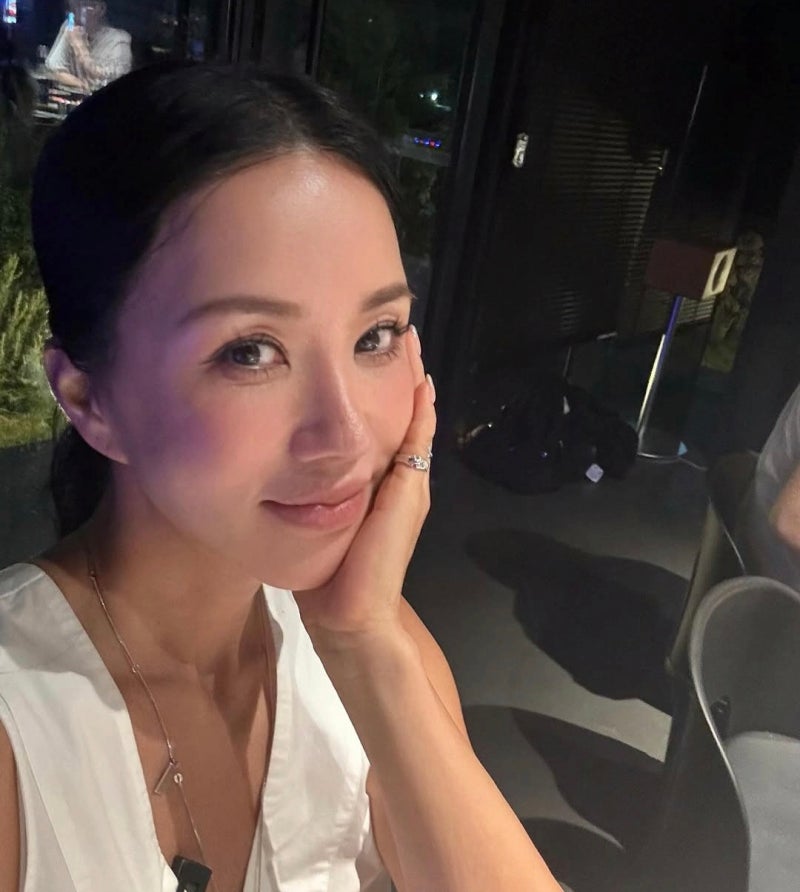
**Stark Elegance: Black Top & Gold Ring Layering**
A simple black piece. No frills. But her hands are doing all the talking—stacked rings in gold and silver across both hands. The makeup is smoky, precise, alive. This is how you keep black from feeling like retreat. You don't make it louder. You make it more *you*. The jewelry becomes jewelry not because it's flashy, but because it's a conversation between her hands and the viewer.
**Clean Luxury: White V-Neck & Pendant Necklace**
A crisp white sleeveless top. Collarbone fully exposed. A long, thin pendant necklace that catches the eye and leads it down. The skin is glowing. Nude tones on the lips. Hair swept back. This is the anti-fashion-moment moment, except it's so precisely done that it becomes fashion. It's the equivalent of someone saying, 'I don't need to try because I already know who I am.'
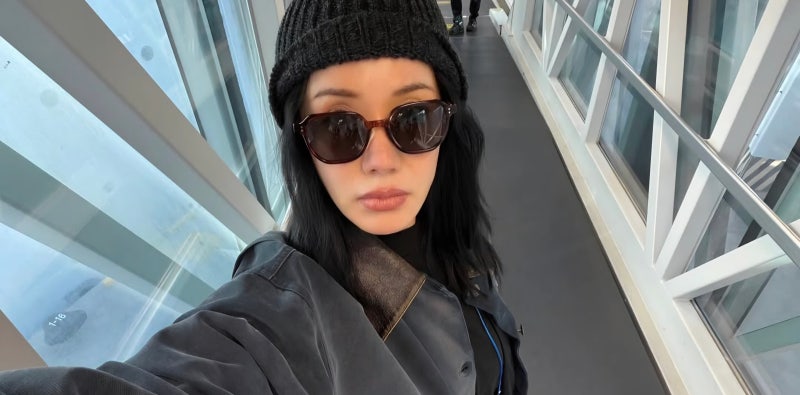
**Street Cool: Oversized Jacket, Beanies & Sunglasses**
At the airport, heading somewhere. Vintage-washed oversized denim jacket. Black beanie. Tortoiseshell sunglasses. Black underneath everything. This is athleisure before athleisure, and it's completely effortless. The point is movement, travel, being in the moment rather than being on display. That's a kind of confidence that only comes after you've had to really ask yourself what matters.
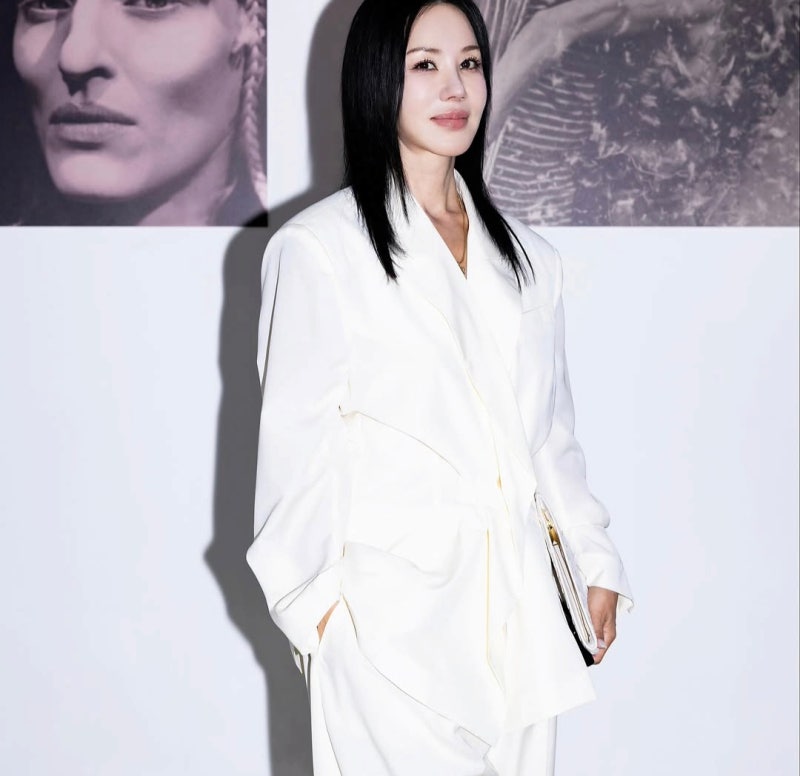
**Architectural Dressing: All-White Wrap Suit**
A formal event. Entirely white—asymmetrical wrap jacket, wide-leg pants, structured and dramatic. No jewelry cluttering the line. Just a white clutch to echo the theme. This is a power move, but not in the traditional sense. She's not dressing to intimidate. She's dressing to be present, to be light, to take up space without apology.
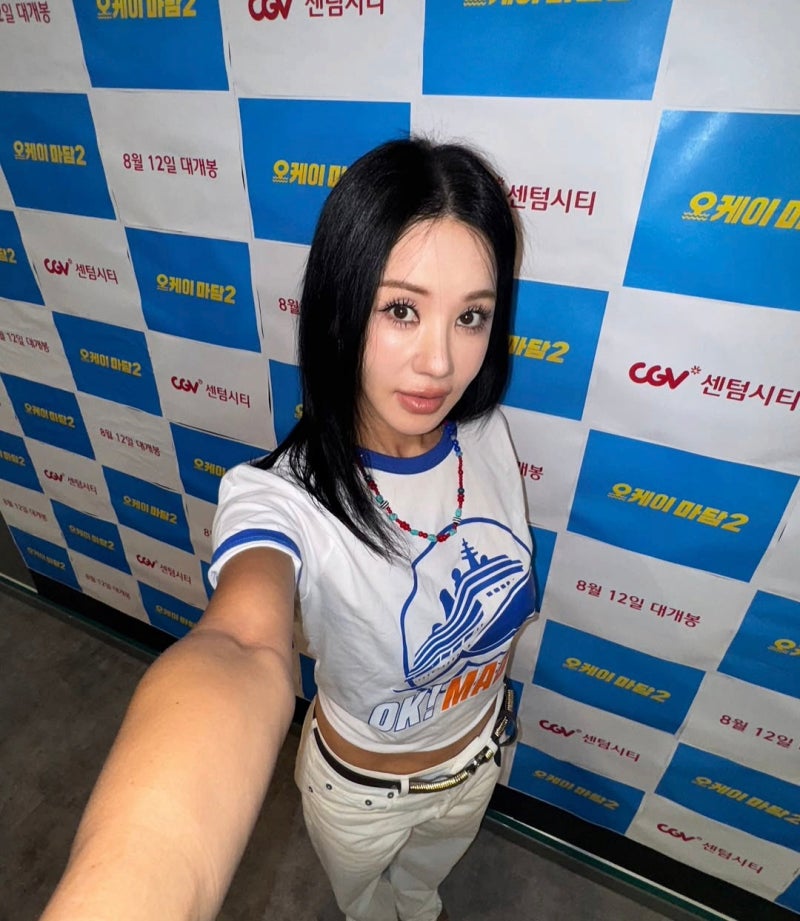
**Young Energy: Crop Tee, White Jeans & Colored Beads**
At a film premiere, a printed crop tee tucked into high-waisted white jeans. A belt with a bold buckle. And here's the touch: a colored bead necklace that reads pure energy, pure youth, pure 'I'm still here and I'm still alive.' It's the kind of move only someone who's stared down mortality can pull off with this much lightness.
Um Jung-hwa's style story is worth paying attention to because it's not really about clothes. It's about a person who had to rebuild trust in her own body and chose to do it out loud, in sequins and silk, in tailoring and white linen. Every outfit is a small act of resilience. That's the thing about her that never changed: she led by showing, not telling. Cancer didn't stop that. If anything, it clarified it.
"Every outfit is a small act of resilience. That's what makes Um Jung-hwa's style matter. She lead by showing, not telling."